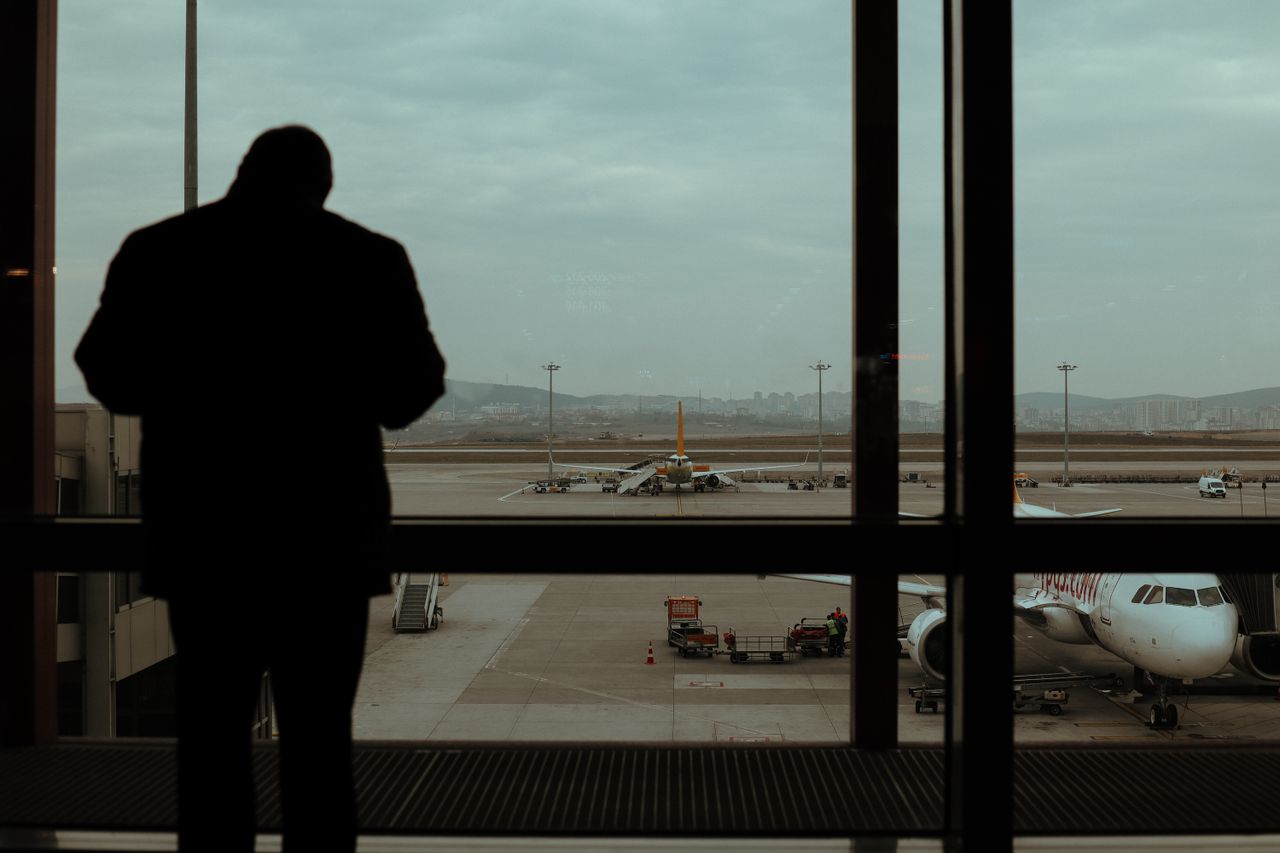
Most of us book a flight with a simple hope: get there more or less on time, with our luggage, and without a scene at the gate. When that doesn’t happen, the whole thing can feel strangely one-sided. Airlines are large, rule-bound businesses. Passengers are usually tired people standing under a flickering departures board, trying to work out if they’re entitled to anything at all.
Public awareness has shifted. A delayed or cancelled journey is no longer seen as simple bad luck. Travellers are more aware that disruption can raise questions about refunds, compensation and duty of care. That shift matters, not because every inconvenience deserves a payout, but because clear expectations usually lead to fairer outcomes for everyone involved.
For people trying to understand where they stand, it helps to know there is a wider system behind the scenes, including routes for aviation dispute resolution when a complaint cannot be sorted directly. That may sound dry, but it points to something useful: air travel is not just a purchase, it is a regulated service with responsibilities attached. The more passengers understand that, the less powerless they are likely to feel when plans fall apart.
Why this matters beyond the airport
There is a broader point here about everyday consumer confidence. We are often told to be resilient, flexible and patient when things go wrong. Fair enough. But there is a difference between accepting the unpredictability of travel and accepting poor communication or avoidable stonewalling.
- Clear rules make complaints less personal and more practical.
- Independent processes can reduce the sense that the biggest company always wins.
- Better informed passengers usually ask better questions.
In that sense, flight disruption is about more than missed weekends and airport sandwiches. It is one of those ordinary moments when people find out whether consumer protections work in practice, or are just reassuring words tucked away in the small print.
Photo by Sami Aksu via pexels.